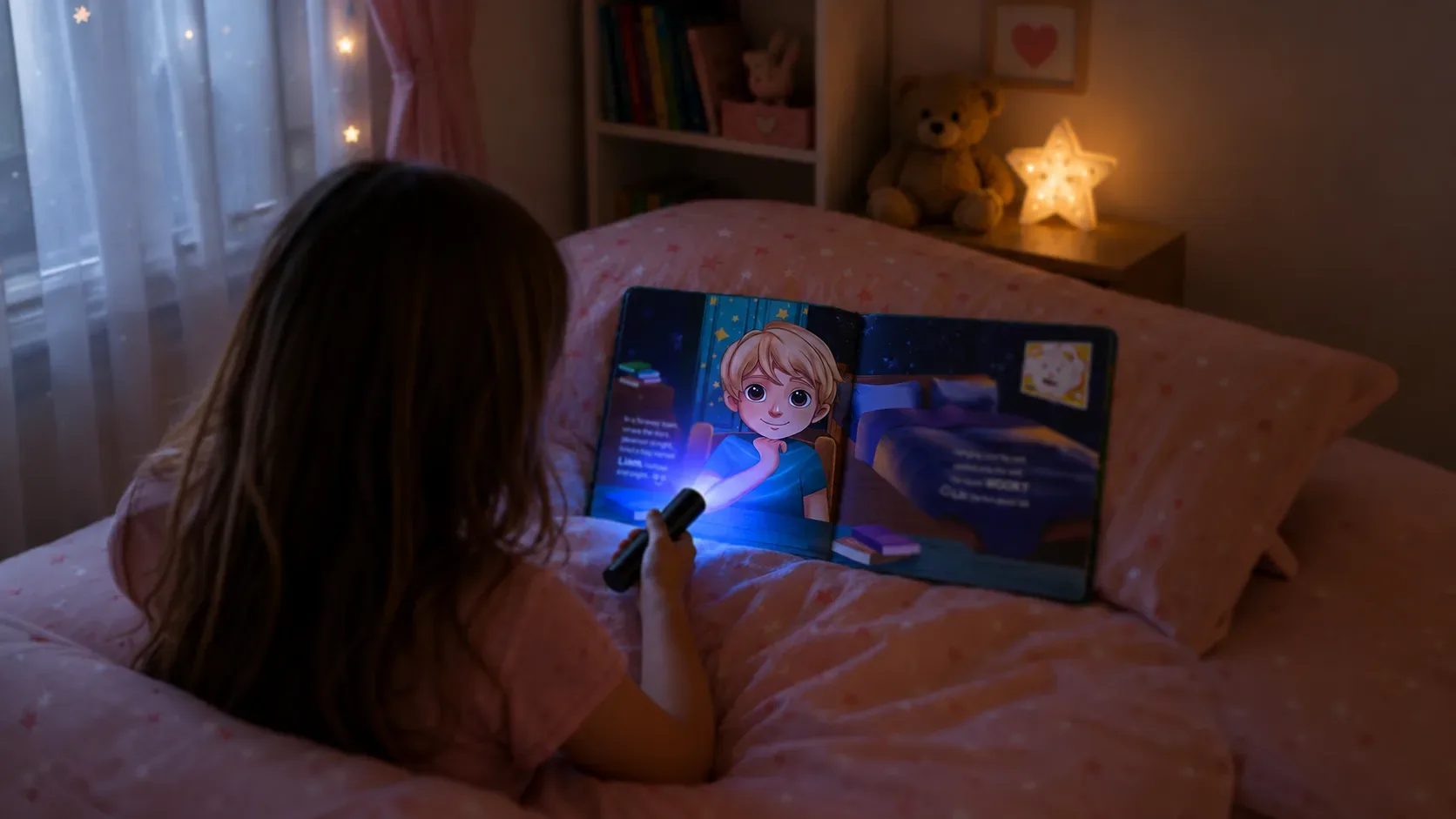
There are very few homes today where screens are not part of everyday life. Television, tablets, smartphones and computers are available almost all the time, and they are often also the quickest solution when children need to be occupied for a few minutes.
Technology has many advantages, but alongside those advantages it is important to remember that children ages 3-7 still learn mainly through play, movement, conversation, imagination and hands-on experience. Especially at this age, screen-free activities allow them to initiate, choose, experiment and build something for themselves.
There is no need to declare war on screens. The goal is not to create a technology-free home, but to create balance. When there is also time for reading, creating, building, moving and playing together, children receive a wider range of experiences and more ways to express themselves.
Why are screen-free activities especially important today?
Screens offer strong colors, constant movement, music and fast rewards. The child receives ready-made stimulation that changes quickly, so it is easy to understand why screens are so attractive.
Something different happens in a screen-free activity. The child invents the story, decides what to build, chooses how to draw and responds to what the person beside them is doing. The pace is not dictated from the outside, and there is room to pause, make mistakes, change direction and try again.
Activities like these can contribute to creativity, language, problem solving, patience, concentration, interpersonal communication and self-confidence. Beyond all of that, they create shared moments that become family memories.
The goal is not only to move the child away from the screen. The goal is to offer something worth moving toward.
Do we need to avoid screens completely?
Not at all. Screens can be useful tools for learning, entertainment and communication. The important question is not whether screens exist at home, but whether there are other kinds of experiences throughout the day and week as well.
Balance does not have to be exact or identical every day. Some days are busier, some trips are long, and there are situations where a screen is simply convenient. What matters is that children also know other options and learn to enjoy reading, play, movement and creativity.
Instead of focusing only on restrictions, it is useful to build positive habits at home: an accessible art corner, a few games that are easy to take out, books at the child's height and regular moments of family activity.
What do children ages 3-7 really need?
Between ages three and seven, imagination blossoms. Children love inventing stories, role-playing, building worlds, solving puzzles, asking questions and exploring their surroundings.
This is a period when even very simple objects can become an entire game. A cardboard box becomes a spaceship, a blanket becomes a fort, a wooden spoon becomes a microphone and a small flashlight becomes a gateway to another world.
The activity does not have to be elaborate or expensive. Often, a simple idea that allows the child to lead will hold attention longer than a pre-planned kit.
25 screen-free activity ideas
1. Read a book together
Reading a book is one of the highest-quality screen-free activities. A story creates conversation, sparks imagination and allows the child and adult to pause, laugh and discover together.
2. Read an interactive book
A book that lets the child search, choose, touch or illuminate hidden details turns reading into play and gives the child an active role.
3. Play find-the-object
Hide several objects around the house and give clues based on color, shape, size or location. The difficulty can be adjusted to the child's age.
4. Put on a puppet show
Socks, paper bags or existing dolls can become characters. The child invents a voice, a problem and a solution, and the adult joins the story.
5. Build a blanket fort
Chairs, pillows and blankets can create a hiding place, home, ship or castle within minutes. After building it, you can read a story inside or have a small picnic.
6. Draw together
One person starts with a line or shape and the other continues it. There is no need to decide in advance what you are drawing. The surprises along the way are what make it fun.
7. Create a continuing story
Each participant adds one sentence. You can use three words that must appear in the story, or randomly choose a character, place and object.
8. Organize a treasure hunt
Create a short trail of clues leading to a small surprise, a favorite book or the next activity. Later, the children can prepare a treasure hunt for the adults.
9. Play "What changed?"
Arrange several objects, ask the child to close their eyes and change one detail. The child has to discover what moved, disappeared or was replaced.
10. Play simple board games
Board games teach children to wait for their turn, follow rules, cope with losing and celebrate other people's success.
11. Cook together
Even preparing a sandwich, salad or simple dough can become an activity involving measuring, mixing, choosing and conversation. Tasks should be adapted to the child's age and done safely.
12. Create with recycled materials
Paper rolls, boxes, lids and cardboard can become a robot, house, vehicle or entire city. There is no need for a perfect result.
13. Role-play
Doctor, restaurant, store, zoo or spaceship games allow children to practice language, express feelings and try out familiar situations.
14. Music and dancing
Play a song, invent movements, freeze when the music stops or create musical instruments from safe household objects.
15. Create a reading corner
A few cushions, a blanket and pleasant lighting can turn an ordinary corner into a place the child wants to visit. Let the child choose which books will be there.
16. Make your own book
The child draws and the adult writes down the child's words. You can photograph the pages, bind them together and read the new book to the family.
17. Have a family storytelling evening
Everyone tells a true or imaginary story. You can choose a theme such as a funny moment, a dream or an adventure that never actually happened.
18. Play with light and shadows
A flashlight and an empty wall make it possible to create hand shadows, illuminate objects or invent characters that appear in the dark.
19. Go on a nature-search walk
Look for leaves in different shapes, an interesting stone, tracks, clouds or colors. The goal is not to collect everything, but to notice what is around you.
20. Make a memory album
Glue in photos, drawings and tickets and talk about what happened in each one. The child can choose a title and tell the memory in their own words.
21. Play rhythm games
Clapping, drumming on a box and repeating sound patterns develop listening, memory and coordination.
22. Build with blocks
Beyond towers, you can build a city, bridge, zoo or a place from a story. The adult can suggest a challenge, while letting the child decide how to solve it.
23. Draw in the dark with a flashlight
Dim the room, illuminate different areas and invent stories based on the shadows and shapes. This activity is especially suitable for the evening.
24. Read a bedtime book
A regular reading ritual allows the day to end at a calmer pace, without notifications and without rapid switching between stimuli.
25. Enter WOOKY's Dreamland
Shine the UV flashlight on the pages of WOOKY Lio, search for hidden details and invent additional stories together about the characters and what is revealed.
How do you choose the right activity for the moment?
Not every activity suits every time of day. Before choosing, it is worth asking what the child needs right now: movement, calm, connection with an adult, creativity or a challenge.
- When there is lots of energy - choose dancing, an obstacle course or a movement game.
- When the child is tired - choose a book, drawing or a calm game.
- When time is short - choose an activity that requires no preparation, such as a continuing story or "What changed?"
- When the child needs connection - choose a shared activity in which the adult genuinely participates.
- When the child wants independence - offer two options and let them choose.
Matching the activity to the moment matters more than trying to entertain the child perfectly. A short and pleasant activity is better than an elaborate idea introduced at the wrong time.
How much screen-free time should children have each day?
There is no single number that suits every family and every day. Even half an hour of shared screen-free activity can be very meaningful when it happens regularly.
Quality matters just as much as quantity. A child can spend a long time away from screens without connection or interest, while twenty minutes of reading, building or playing together can be full of conversation, imagination and participation.
Instead of measuring every moment, you can create regular anchors: screen-free time in the morning, a shared activity in the afternoon or reading before bed.
How can you help children agree to turn off the screen?
An abrupt move from an engaging screen to an unclear activity can create resistance. It helps to prepare the child in advance and give screen time a clear ending point.
- Give a warning a few minutes before the end.
- Offer an interesting activity instead of only saying what is not allowed.
- Let the child choose between two options.
- Prepare the materials in advance so there is no long waiting period.
- Join the activity, at least at the beginning.
- Use a regular habit, such as a book after dinner.
Instead of only saying "That's enough screen time," you can say "Let's see what we discover today" or "Would you rather build a fort or look for treasure?" The act of choosing reduces resistance and increases a sense of partnership.
Why are books one of the best screen-free activities?
A book combines imagination, language, concentration, conversation, creativity and emotional connection in one simple activity. There is no need to prepare many materials, and reading can happen almost anywhere.
When an adult reads aloud and the child responds, reading becomes a conversation. You can stop, look for details in the illustration, guess what will happen and connect the story to the child's own life.
Books also allow repetition. The same story can feel a little different each time, especially once the child knows the characters and begins to lead parts of the experience.
WOOKY Lio: Friendship in Dreamland - reading that feels like play
WOOKY Lio: Friendship in Dreamland was created with screen-free family quality time in mind. The book is designed for children ages 3-7 and combines a story, rich illustrations and interactive discovery using the UV flashlight included in the set.
During reading, children are not only listening. They shine the light on the pages, search for hidden details, ask questions and participate actively in the world of the story.
The result is a combination of reading, play, imagination and discovery - without an app and without an internet connection. The adult reads, the child shines the light, and together they discover what is hidden inside the illustrations.
Further reading
To explore the subject further, you may also enjoy our article about story time, our guide to interactive children's books, our article about books for young children, and our guide to choosing gifts for kids.
Frequently asked questions about screen-free activities
Which screen-free activities are suitable for children ages 3-7?
Reading books, imaginative play, arts and crafts, board games, treasure hunts, music, building, light-and-shadow play and shared family activities.
Should screen time be prevented completely?
No. The goal is to create balance and also include activities that encourage imagination, creativity, movement and interpersonal interaction.
How much time should be dedicated to screen-free activity?
There is no fixed amount that suits everyone. Even a short, high-quality activity can be meaningful when it happens regularly.
Why are books considered a recommended screen-free activity?
Because they combine language, imagination, concentration, conversation and shared quality time.
What should you do when a child does not want to leave the screen?
Give advance notice that screen time is ending, offer a clear alternative activity and let the child choose between two options.
What ages is WOOKY Lio suitable for?
WOOKY Lio: Friendship in Dreamland is designed for children ages 3-7.
How can you prepare a home that invites screen-free activity?
One reason screens become the immediate solution is that they are always ready. To give other activities a similar chance, it helps to make them accessible too. There is no need for an elaborate playroom. A few small adjustments can make a big difference.
You can prepare an activity box with paper, markers, stickers, glue, child-safe scissors and recycled materials. Another box might contain a flashlight, magnifying glass, clue cards or accessories for role play. When everything is gathered and accessible, it is easier to begin without a long setup.
Books should be accessible too. A shelf at the child's height, a small basket beside the bed or a few books rotated every week can encourage independent choice. When children can see the covers and take a book themselves, reading becomes a natural part of the home.
It is also worth leaving some open space. Not every activity needs instructions. An empty table, a large blanket or a cardboard box can invite play that was never planned in advance.
Screen-free activities when parents do not have much time
Quality time does not have to be long or perfect. On busy days, choose short activities that require little or no preparation: a continuing story during dinner, a guessing game on the way home, searching for colors in the room or reading a short book before bed.
You can also involve the child in everyday tasks. Sorting socks by color, setting the table, watering plants or making a sandwich can become a shared activity when the adult gives the child a real role.
The important thing is presence. Ten minutes in which the adult puts down the phone, listens and participates can be more meaningful than a long activity filled with distractions.
Screen-free activities with siblings or several children
When several children participate, choose activities that allow different roles. One child can hide clues, another can draw a map and another can search. During book reading, you can divide the characters, let each child choose a voice, or take turns holding the flashlight.
Disagreements do not always need to be prevented. Shared play is also an opportunity to learn to wait, compromise and build an idea together. The adult can help set the framework, but does not have to solve every argument immediately.
When there is a large age gap, the older child can be given a role with added responsibility without turning them into another adult. For example, they can read a clue, help with building or invent a task suitable for the younger child.
What should you do when a child says they are bored?
Boredom is not necessarily a problem that needs to be solved immediately. Sometimes it is the moment from which a new idea begins. When every minute is filled with ready-made content, children have almost no opportunity to discover what they can invent on their own.
Instead of immediately offering ten options, you can ask: What would you like to build? What story could you invent from the objects in the room? What would you do if the blanket were a secret gateway? Questions like these do not provide a ready-made activity; they open a direction.
You can also create an idea jar together. Write or draw activities on slips of paper, and when boredom appears, the child picks one. Preparing the jar is itself an activity.
In conclusion
In an age when screens are almost everywhere, there is no need to fight them, but it is definitely worth creating balance. Screen-free activities give children an opportunity to think, imagine, create, move and discover at their own pace.
They also allow children to become active participants in the experience rather than simply viewers. When a child builds a fort, invents a story, draws or searches for a clue, they make decisions, solve problems and bring their inner world into the activity.
Even a short amount of time can be meaningful. Half an hour of shared play, creativity or reading can create genuine connection when the adult is present, listening and participating.
A good book is a wonderful example of a simple activity that offers a great deal. It does not only deliver a story; it creates conversation, sparks imagination and allows each child to enter a new world. When the book includes interactivity that serves the plot, reading can feel like a shared game.
Ultimately, the activities children remember are not necessarily the most complex or expensive. They are the moments when someone sat beside them, listened, played, read and laughed with them. The big memories of childhood are built from these small moments.
Discover WOOKY
Meet WOOKY Lio: Friendship in Dreamland
An interactive children's book for ages 3-7 with a UV flashlight, inviting children and grown-ups to read, shine, discover and experience the story together.
Explore WOOKY